
EasyJet: The Budget-Friendly Sky Adventure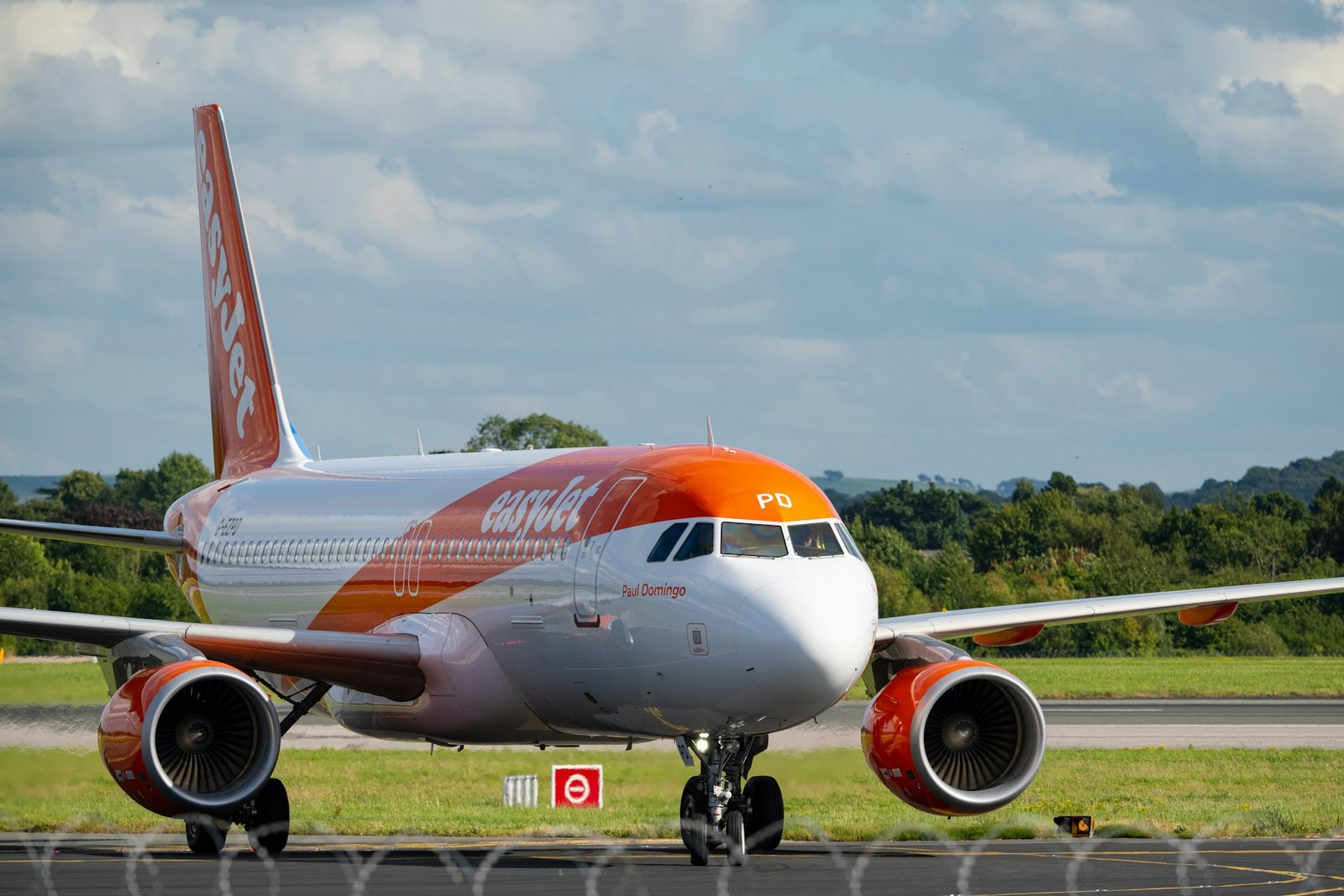
Back in 1995, a young entrepreneur named Stelios Haji-Ioannou had a dream: make flying so affordable that anyone could hop on a plane for a weekend getaway. That’s how EasyJet was born in London, with just two leased Boeing 737-200s zipping from Luton to Glasgow and Edinburgh. The vibe? No fuss, no frills—just cheap tickets and a bright orange logo that screamed fun. Stelios took a page from Southwest Airlines but added a British twist, like booking flights online when the internet was still a clunky novelty. By the end of year one, they’d flown 150,000 people, and the sky was just the start.
They grew fast. In 1999, EasyJet went public, raising cash to buy more planes. By 2002, they snapped up rival Go Fly, adding bases in Bristol and Stansted. In 2005, they celebrated their 100-millionth passenger—pretty wild for a 10-year-old airline. Tough times, like the 2008 financial crash and COVID in 2020 (when their whole fleet was grounded), tested them, but they bounced back with profits by 2023. Today, they’re Europe’s second-biggest low-cost airline, flying to over 150 destinations across 34 countries.
Their fleet is all Airbus, keeping things simple and cost-effective. As of March 2025, EasyJet operates about 330 planes: around 95 A319s for shorter trips, over 220 A320s as the main workhorses, and 15 A321s for busier routes. A fifth of them are A320neos, which save fuel and cut emissions. They’ve got 160 more on order, keeping the fleet young—most planes are under 10 years old. You’ll spot them in that iconic orange paint, packing up to 186 seats with no fancy extras unless you pay. They’ve got bases like EasyJet Europe in Vienna (to dodge Brexit issues) and EasyJet Switzerland, plus the main UK arm. It’s all about getting you there cheap and cheerful. Ever flown EasyJet for a quick city break? It’s like a bargain hunt in the sky.