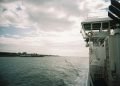
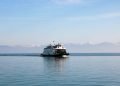
Ever stood on a ferry, watching cars roll aboard or waves crash below, and wondered how this giant metal box stays afloat? Ferries are engineering marvels, built like floating fortresses to carry hundreds—even thousands—of people, vehicles, and cargo without sinking or tipping over. It’s not just steel and hope holding them up; it’s a clever mix of design, physics, and a bit of seafaring magic. Let’s unpack how they’re put together and why they don’t end up as fish hotels at the bottom of the sea.
The heart of any ferry is its hull, the curved, watertight shell that does the heavy lifting. Most ferries rock a double-bottom hull—think two layers of steel with sealed compartments in between, like a sandwich with air pockets. This setup is tough as nails, protecting against leaks from rough seas or the odd scrape with a dock. If a hole does pop up, those compartments keep water from flooding the whole ship, buying time for fixes. The hull’s shape is key: wide and flat for stability on calm routes like river crossings, or deeper and V-shaped for ocean-going ferries battling big waves, like those crossing the North Sea. Inside, the ferry’s split into decks—lower ones for cars and trucks, upper ones for passenger lounges, cabins, and maybe a cozy café serving fish and chips. Everything’s balanced like a seesaw to avoid tilting, with heavy stuff like engines and fuel tanks kept low to anchor the center of gravity.
Now, the floating part—this is where buoyancy steals the show. A ferry floats because it displaces more water than it weighs. Picture sitting in a full bathtub: the water you push out weighs more than you, so you float. Same deal with a ferry’s hull, which shoves aside thousands of tons of water. To keep things steady, especially when half-empty or dodging storms, ferries use ballast tanks—big compartments filled with water or air to tweak the weight and balance. Modern ferries, like those zipping across the Baltic, often have stabilizers, like underwater fins, that pop out to smooth choppy rides, so you’re not spilling your coffee when the wind kicks up. And don’t forget the propulsion—diesel engines, electric motors, or even LNG systems on newer ships—paired with rudders and thrusters for precise steering in tight ports.
Building a ferry takes years, with shipyards like those in Finland or Germany welding millions of parts together, from radar systems to lifeboat stations. It’s a labor of love to ensure you can cross a harbor or an ocean without a hitch. Next time you’re onboard, peek over the side at that hull—it’s the unsung hero keeping your journey afloat.